
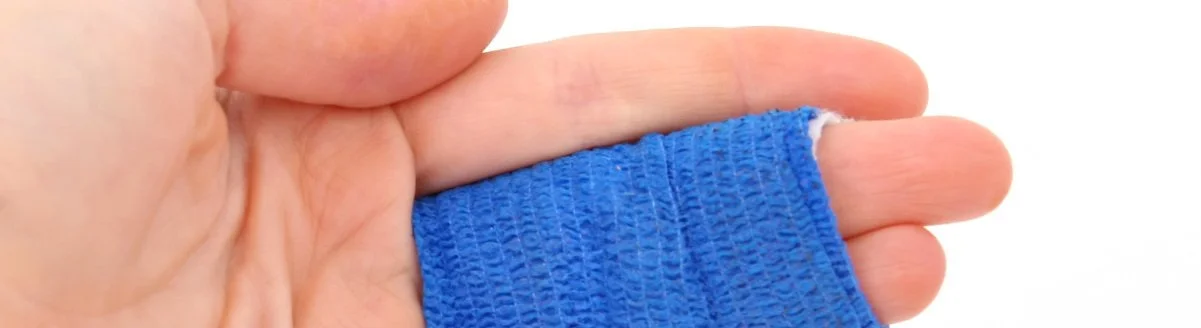
Finger dislocations and fractures are common. They can happen during sport and work activities, or even everyday accidents and falls. Here we discuss the importance of early assessment and treatment, and how our hand therapy service can help.
With all finger injuries, it is important to make sure you get an early assessment to rule out any fractures, but there could also be tendon or ligament injuries that may need protecting with a splint or other support.
This is key to starting on the right course of management early, and will ensure that you get the right treatment plan to optimise your recovery. Restoring movement, strength and hand function as early as possible is essential for achieving the best possible outcome.
What could I have injured in my finger?
When a finger is injured, the force causing the injury can damage surrounding structures. Even for a small joint there are lots of structures that can be injured! This depends on the direction and cause of injury and joint involved.
A finger dislocation occurs when the bones of a joint are forced out of their normal position, which often results in other soft tissues around the joint tearing. However, even without a dislocation you could still injure the ligaments, tendons and other structures if the force was strong and in a certain direction.
Structures that can be injured in the fingers include:
Ligaments
Joint capsule
Tendons
Cartilage
Volar plate (this is a stabilising structure on the palm side of the finger).
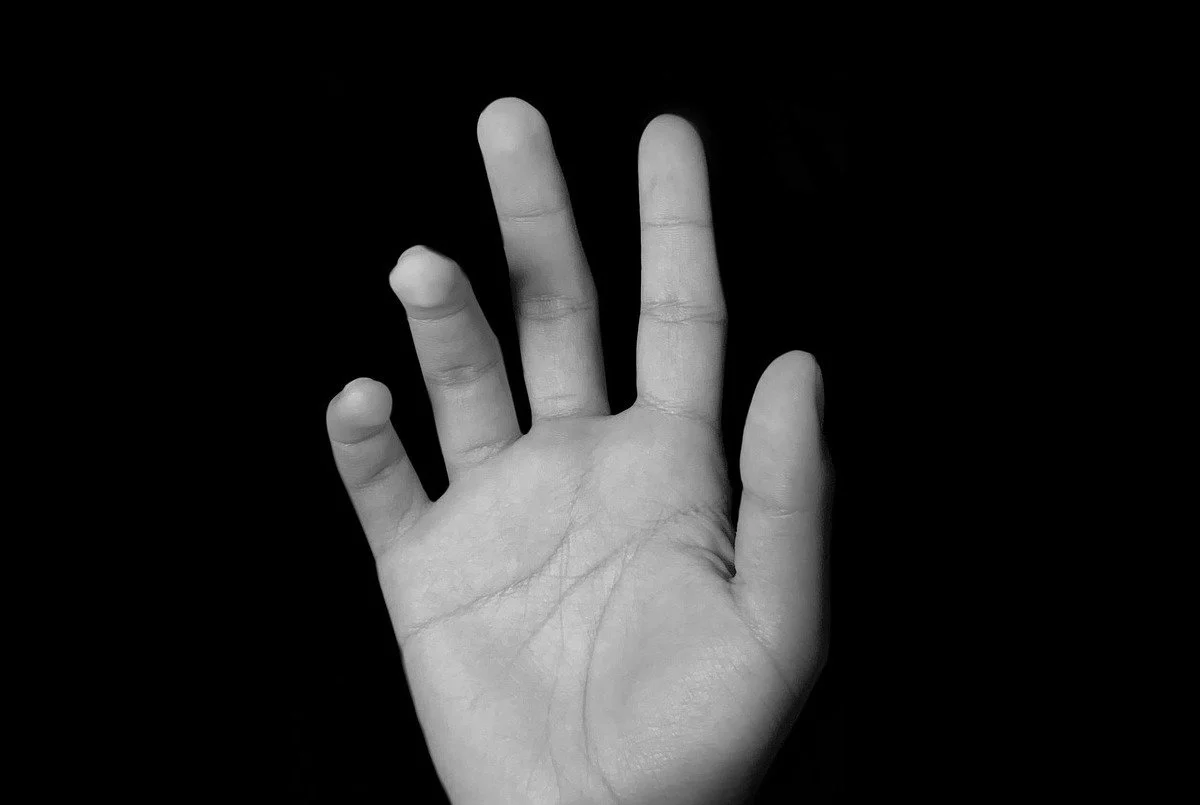
You can also sustain fractures at the same time. It is important to get your finger assessed to make sure any injury to structures can be managed appropriately. What appears to be a simple injury to the finger can sometimes become a more complex injury needing guided advice and management.
Signs and symptoms of a finger fracture or dislocation
Common symptoms of a finger fracture include:
Sudden pain or tenderness around the injured joint
Visible deformity of the finger (doesn’t look in its normal position)
Swelling and bruising
Loss of ability to move the finger
Reduced grip strength and function
Numbness or tingling if nearby nerves have been affected.
What should I do if I have injured my finger?
If you have injured your finger and there is pain and swelling, or you suspect it is dislocated or broken then a medical assessment is essential. This may require you to visit your local Minor Injuries Unit or Accident and Emergency Department, where they can examine your finger.
Depending on their suspected diagnosis, you may need to have X-rays if they suspect a fracture or dislocation. They can ensure you have any initial management needed to protect and stabilise structures. The initial management that is needed depends on what injury you have.
Once you have been cleared to move the finger and when you are able to start hand therapy then there are lots of management strategies we can do.
Why is hand therapy important for finger fractures and dislocations?
The hand is a complex area of the body and is really important for everyday tasks and functional activities. It contains lots of small joints, with tendons and muscles that work together in a coordinated way. Even a minor loss of motion in one finger can affect your grip, dexterity and therefore ability to perform daily tasks such as personal care, writing or work activities.
You may also find that after injury, you experience persistent swelling, pain and joint stiffness and reduced function. Early input from a hand therapist can guide your rehabilitation to improve movement, monitor healing, and prevent secondary complications. Here at First Line Physio we can guide you with your recovery and help you to return to functional activities.
At First Line Physio our hand therapists will tailor their treatment to suit your injury, needs and functional goals. We may offer various management techniques such as:
Advice on managing pain
Rehabiliation exercises to restore movement and strength
Swelling management
Scar management advice
Splinting advice
Manual techniques to regain movement and function
Please contact us or book in for an appointment with our specialist hand therapist to get a detailed assessment of your injury and help you ensure your recovery is as smooth as possible.
This is absolutely not written to substitute medical advice and it is always important to see a qualified healthcare professional for a formal diagnosis.