

Complex Regional Pain Syndrome (CRPS) is a uncommon pain condition that can develop after injury, surgery, fracture, or even a minor trauma. It can result in more severe pain which lasts longer than normal or expected. Here we discuss the condition in more depth, and how our hand therapists can help CRPS.
The cause of CRPS is unknown, but it's thought to be the result of the body reacting abnormally to an injury. When CRPS affects the hand, you might experience severe pain, swelling and stiffness alongside changes to the colour/temperature or hair of the affected limb. You may have sensitivity to touch and significant loss of function.
It’s important to note some of these signs can be due to other problems or complications post injury, so if you experience any of these it’s really important to see a medical professional as soon as possible. Early recognition for any of these signs is important for recovery and if it is considered you have CRPS and other complications have been ruled out, timely rehabilitation is crucial to get the best outcomes.
What are the symptoms of Complex Regional Pain Syndrome?
CRPS is a persistent pain condition. Pain can feel more severe and last longer than expected. Symptoms commonly include:
Severe, burning, aching or throbbing pain
Sensitivity in your hand when its being touched, or sensitivity to temperature changes
Changes in skin colour, temperature, or sweating. The hand can often feel clammy to touch
Reduced movement and strength in your hand
Changes to hair and/or nail growth
Altered perception of the hand. Your hand may feel different to you and it may feel difficult to move
Why does early physiotherapy matter for Complex Regional Pain Syndrome?
It’s really important to get a prompt diagnosis of CRPS and early treatment to help you get the best opportunity for recovery. Delayed treatment may lead to worsening stiffness, weakness, function, and pain. At First Line Physio we work with experienced and specialist hand therapists who can help guide you on the correct approaches for you to help you restore function.
How can we help Complex Regional Pain Syndrome with Hand Therapy?
1. Education and Reassurance: One of the most important parts of recovery is helping you to understand CRPS. Having knowledge about the condition can help you feel more confident in moving and to helps you to fully engage with treatment.
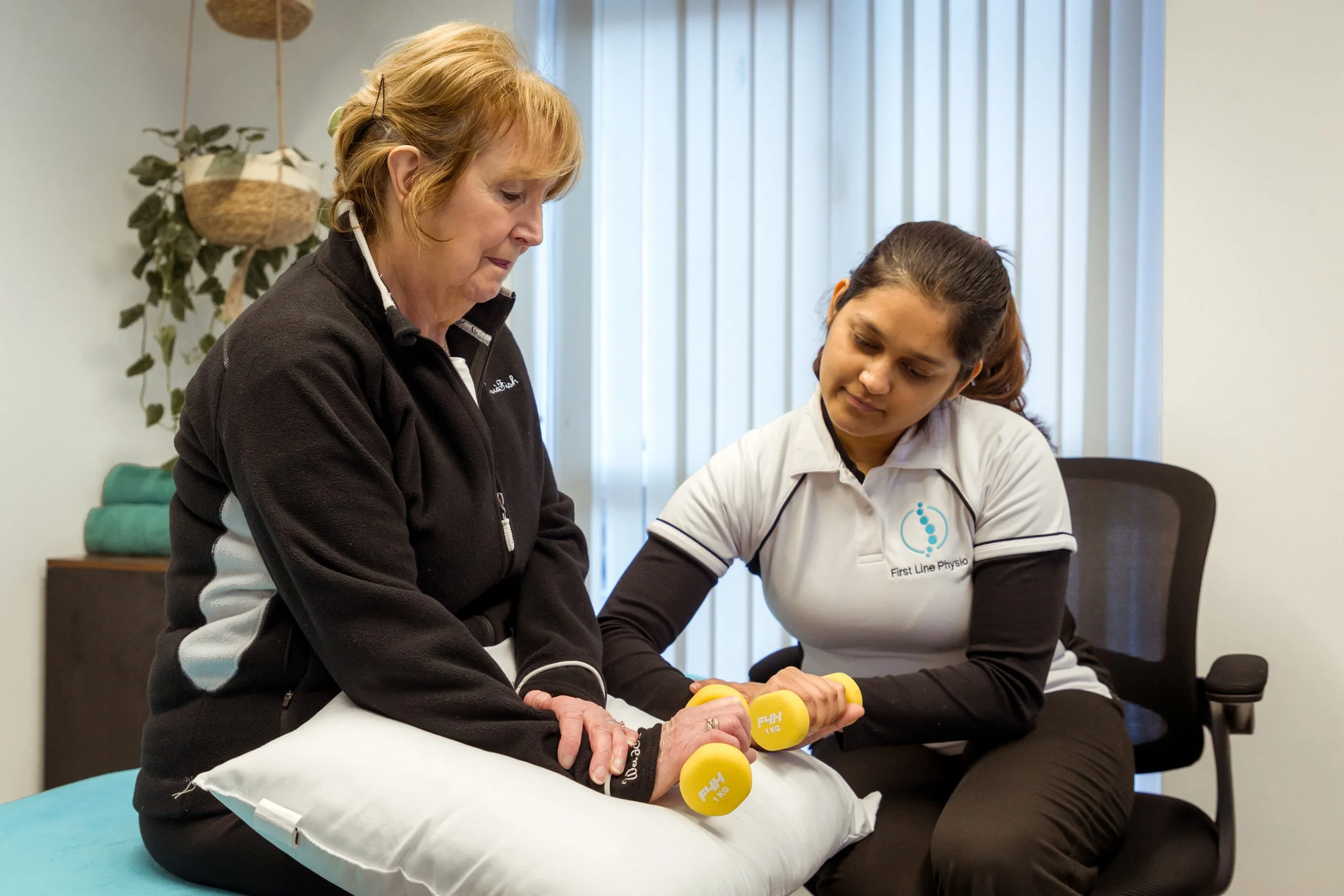
2. Graded Movement and Exercise: A top goal of treatment is to help you to maintain and improve your hand range of movement and strength. At First Line Physio we provide tailored graded exercises specifically for you, to help you with your goals and to restore your hand to it’s previous level of function.
3. Functional Restoration: We always want you to become as functional as possible, so part of hand therapy for CRPS is to help you with functional activities of daily life. We can help you with your goals and plan a way to improve your ability.
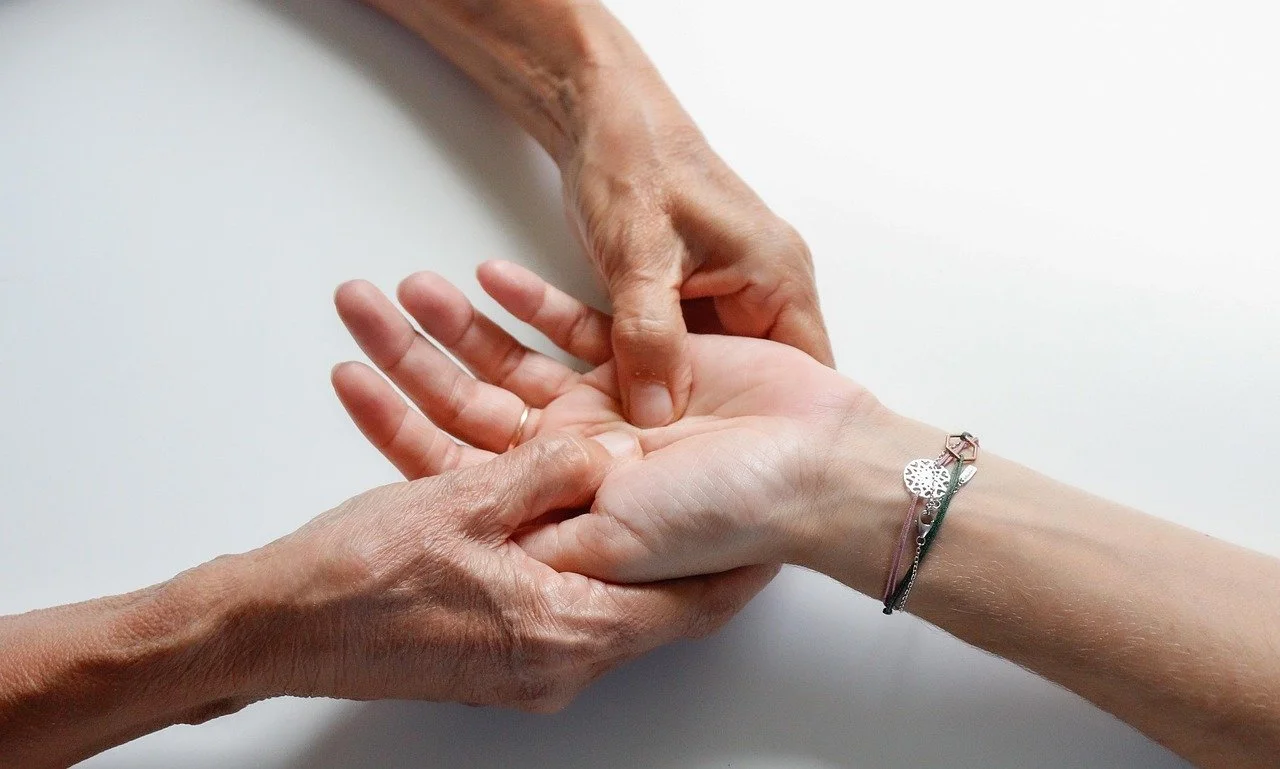
4. Desensitisation techniques: Many people with CRPS develop sensitivity to light touch; tailored desensitisation techniques may involve graded exposure to different textures and can help reduce sensitivity.
4. Mirror Therapy and Graded Motor Imagery: We may also consider more therapy techniques to retrain the systems and pathways of your brain and limb. These approaches are used if you have developed altered body perception.
What about medication for Complex Regional Pain Syndrome?
While physiotherapy plays an important role in your recovery, if the pain is severe, you may require pain relief medication in order to manage, and to ensure that you are able to complete your rehabilitation. Please speak with you GP or care provider for more information about pain relief.
Please don’t assume you have CRPS, as there are multiple more common conditions or complications with similar symptoms. If diagnosis is uncertain, it’s important to get assessed to rule these out. If you have severe, or rapidly progressing symptoms, and they are having a big impact on your function, please see a medical professional. This is important so you get the correct advice and management.