
If you have noticed that your fingers feel stiff, especially first thing in the morning, or tasks such as opening jars or fastening buttons are becoming more difficult, these can be early signs a rheumatoid arthritis (RA). Here we discuss what this means and how we can help!
Rheumatoid Arthritis (RA) is a chronic inflammatory condition that commonly affects the hands and wrists. Because our hands are involved in almost everything we do, RA can have a significant impact on daily life if left untreated. Fortunately, with the right treatment and support, many people can manage their symptoms effectively and maintain their independence.
What causes Rheumatoid Arthritis in the hands?
Rheumatoid arthritis is an autoimmune condition, which means the body's immune system mistakenly attacks its own healthy tissues. In RA, the immune system targets the lining of the joints, causing inflammation, pain, and swelling. Over time, this ongoing inflammation can damage the cartilage, ligaments, and bones within the hand joints.
Although the exact cause of rheumatoid arthritis is not fully understood, factors such as genetics, smoking, hormonal influences, and certain environmental triggers are believed to increase the risk of developing the condition.
What are the symptoms of Rheumatoid Arthritis in the hands?
The symptoms of rheumatoid arthritis often develop gradually and may vary from person to person.
One of the most common signs is morning stiffness that lasts for more than 30 minutes after waking. Many people also experience swelling, tenderness, and pain in the small joints of the fingers and wrists. As the condition progresses, grip strength may decrease, making everyday activities more challenging. Some individuals notice warmth around the affected joints, while others find that simple tasks such as writing, typing, cooking, or carrying shopping bags become increasingly difficult.
In more advanced stages, changes in joint alignment can occur, affecting both the appearance and function of the hands.

How can we help hand pain at First Line Physio?
At First Line Physio, we understand how frustrating and limiting hand pain can be. Our physiotherapists take a personalised approach to treatment, focusing on reducing pain, improving joint mobility, and helping you maintain your independence. We begin with a thorough assessment to understand how rheumatoid arthritis is affecting your daily activities, hand strength, and overall function.
Physiotherapy plays an important role in managing rheumatoid arthritis. Through carefully selected exercises, we help maintain flexibility in the fingers, hands, and wrists while improving strength in the surrounding muscles. Regular movement and targeted exercise can reduce stiffness, improve function, and support healthier joint mechanics.
In addition to exercise therapy, we may use hands-on treatment techniques and provide advice on managing flare-ups and reducing strain on affected joints. Our team also educates patients on joint protection strategies, helping them adapt daily activities to minimise stress on painful joints while remaining active and independent.
Where appropriate, we can recommend supportive devices, splints, or modifications that make everyday tasks easier and more comfortable. Our goal is not only to address your current symptoms but also to equip you with long-term strategies that help you confidently manage your condition.
When should you seek help for hand pain?
If you are experiencing persistent hand pain, swelling, stiffness, or difficulty performing daily tasks, it is important to seek professional advice early. Early intervention can help reduce symptoms, improve hand function, and prevent further joint damage. The sooner rheumatoid arthritis is managed effectively, the better the chances of maintaining healthy hand function in the long term. The best first steps is to see your GP so that you can be referred to a Rheumatologist consultant for investigations and diagnosis.
Hand exercises for Rheumatoid Arthritis:
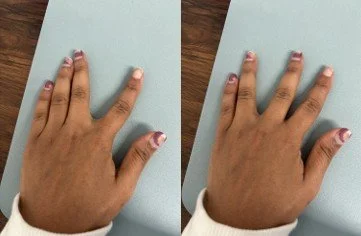
1. Radial finger walking
Place your hand palm down on a table. Keep your thumb relaxed.
Slowly move your index finger outward (toward the thumb side/radial side) a small distance.
Bring the middle finger to meet the index finger.
Continue "walking" the fingers sideways toward the thumb side, one finger at a time.
Reverse the movement and walk the fingers back to the starting position.
Repeat 10–15 times. Aim for 3 times a day.
2. Tendon gliding exercise
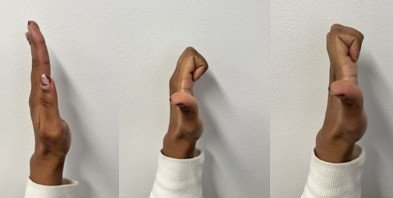
Start with your hand open and fingers straight.
Move through these positions slowly:
Straight hand → hook fist (middle and end joints bent)
Full fist then straight fist (knuckles bent, fingers straight) then back to open hand
Hold each position for 3–5 seconds.
Repeat the full sequence 5–10 times.
This is absolutely not written to substitute medical advice, and it is always important to see a qualified healthcare professional for a formal diagnosis. If any of the exercises cause pain during or after the exercise, discontinue and consult a physiotherapist.