

One potential cause of neck pain is cervical stenosis, which occurs when the space around the spinal cord in the neck narrows. This can irritate the nerves and lead to discomfort, but with proper management, most people are able to improve their symptoms.
What causes cervical stenosis?
Cervical stenosis usually develops gradually and is often linked to natural age-related changes in the spine over time. Discs can lose flexibility, and joints may thicken, which reduces space for the spinal nerves. Osteoarthritis and small bony growths (osteophytes) can further narrow the area.
Past injuries from accidents or sports may also affect neck alignment and movement. Everyday activities, such as sitting for long hours at a desk or looking down at a phone, can make symptoms more noticeable.
What are the symptoms of cervical stenosis?
People with cervical stenosis can experience a range of symptoms, as it will depend on the area and severity of the narrowing.
Some symptoms you may notice include:
Stiffness or pain in the neck
Pain radiating to the shoulder or arm
Tingling or numbness in the hand
Weakness in grip or arm strength
Restricted neck movement
Some may also notice balance difficulties, although this is more rare.
Sudden changes in strength, bladder, or bowel control are rare but require urgent medical attention.
Should I have surgery for cervical stenosis?
Surgery is usually considered only for severe spinal cord compression or worsening neurological symptoms. Most people manage well without surgery, but physiotherapy is often essential for maintaining safe movement both before and after any surgical intervention.
How does physiotherapy help cervical stenosis?
Here at First Line Physio, we help people manage cervical stenosis through movement, strength and specific education to reduce aggravating factors. We aim to help patients understand their condition and learn safe ways to move.
Gentle movement and stretching can ease stiffness and improve range of motion. Strengthening exercises support the neck, upper back, and shoulders to reduce strain.
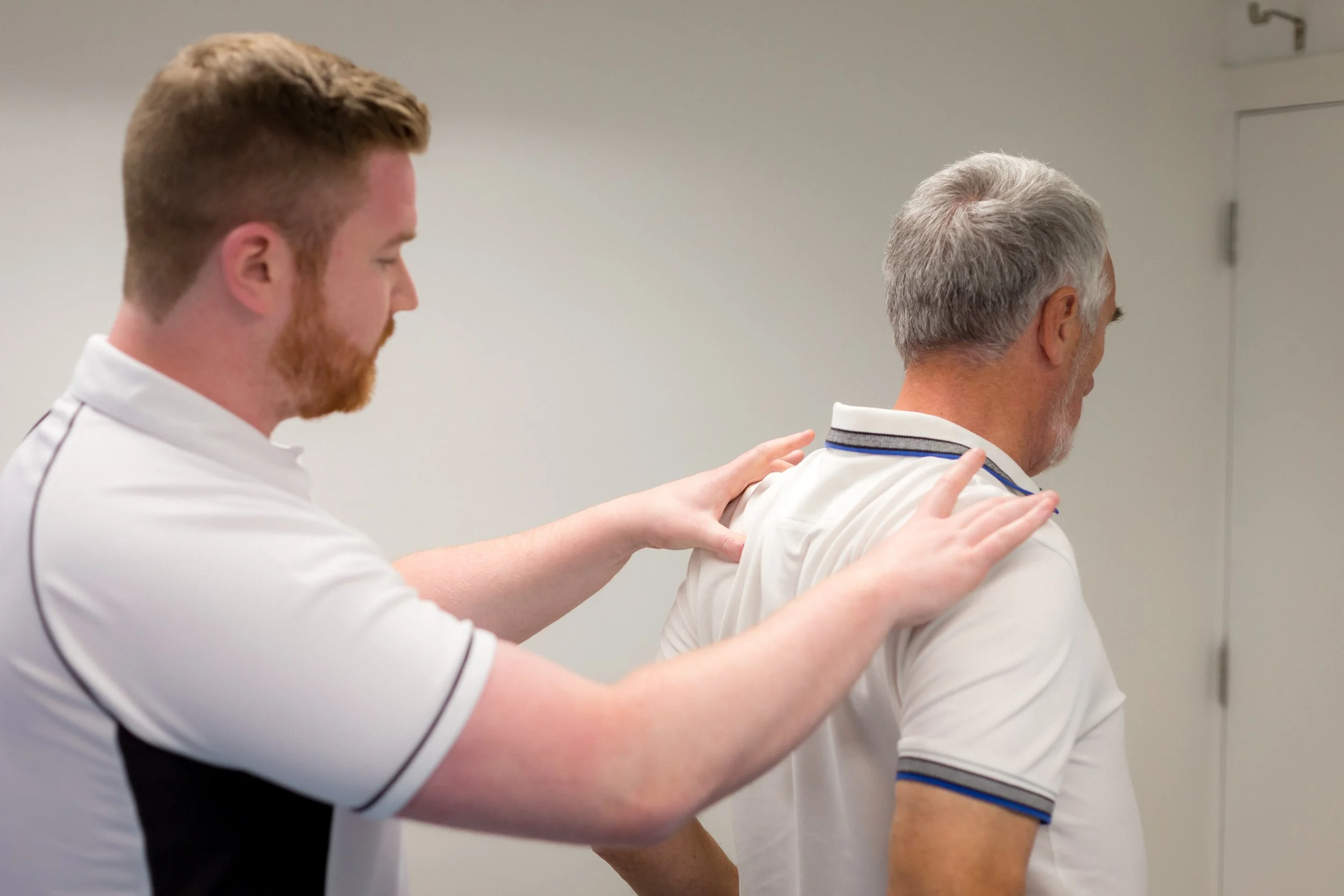
Posture adjustments, nerve mobility exercises, and hands-on techniques such as joint and soft tissue therapy are combined with active exercise to improve comfort and function.
With a personalised physiotherapy plan, most people experience reduced pain, better mobility, and increased confidence in daily activities.
What exercises can I try for cervical stenosis?
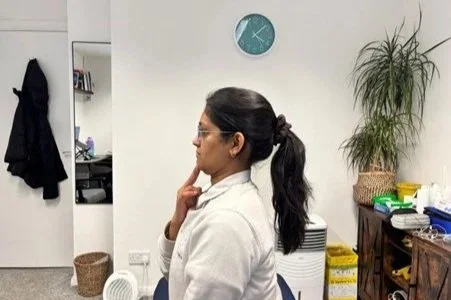
Chin Tucks
Sit or stand tall.
Gently pull your chin straight back as if making a double chin.
Hold for 5 seconds and repeat up to 10 times.
This strengthens the deep muscles in your neck and helps improve your posture.
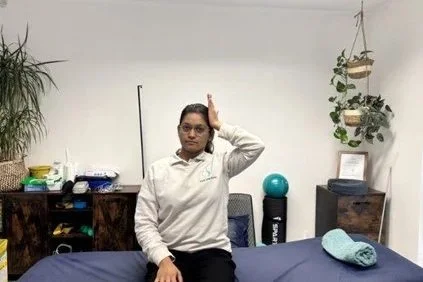
Neck Isometrics
Place your hand on side of your head.
Push your head sideways into your hand gently, but resist the movement with your hand, so your head doesn’t move.
Hold this for 5 -10 seconds, then relax.
Repeat 5 -10 times on each side.
This helps to strengthen the muscles either side of your neck
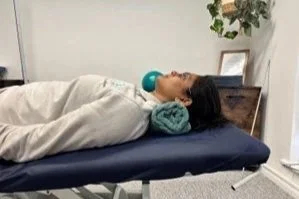
Towel Exercise
Lie on your back.Roll a towel and place it under your neck.
Keep your chin slightly tucked, and gently press your neck into the towel.
Hold for 5 -10 seconds, then relax.
Repeat 8 -10 times.
This is absolutely not written to substitute medical advice, and it is always important to see a qualified healthcare professional for a formal diagnosis. If any of the exercises cause pain during or after the exercise, discontinue and consult a physiotherapist.
If you would like to get in touch, please visit our contact page.